Getting ready to teach your child to ride a bike
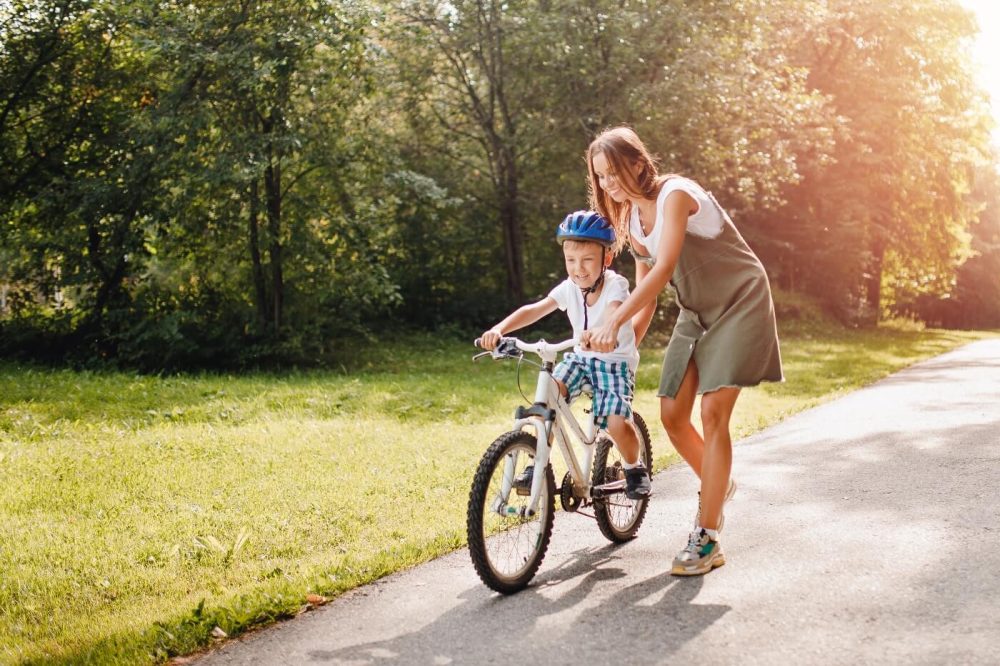
So your child is ready to learn to ride a bicycle, and you’re excited to start teaching them—fantastic! You’ve come to the right place. At Cycle Sprog, we have years of experience teaching kids to ride, plus insights from our community and cycling instructors who specialize in helping children learn to cycle confidently.

If you’re unsure whether your child is ready, try our quiz to see if they’re ready to learn to ride a bike.

Here are our top tips to help you prepare for a smooth, fun first teaching session.

how to teach your child to ride a bike - Cycle Sprog's tips
Cycle Sprog is a reader-supported website. When you buy through links on this page we may earn an affiliate commission.

1. Pick the right spot

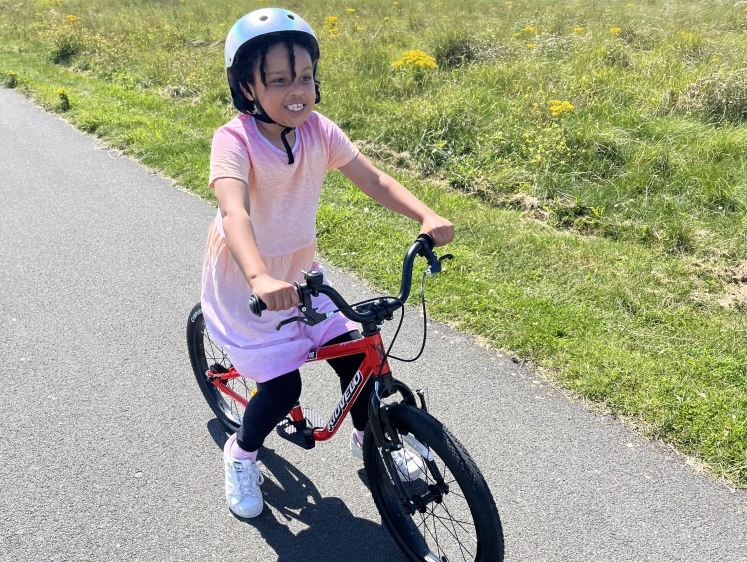
Choose a flat, tarmacked area with no traffic. A gentle downhill slope can sometimes help your child gain momentum.

Avoid soft surfaces like grass, it makes pedalling harder and can be frustrating for beginners.

Also, steer clear of busy parks or playgrounds where distractions and interruptions are likely.

preparing to teach your child to ride a bike
Checking your child's bike is the right size for learning to ride

2. Check your child's bike is the right size for learning

The right bike fit is vital for your child’s safety and confidence.

Make sure the saddle height allows your child to place both feet flat on the ground comfortably. If their feet can’t reach, consider waiting until they grow more or look for a smaller bike.

A bike that’s too big or uncomfortable can discourage your child from wanting to learn.

Further reading: Is my kid's bike the right size for them?

3. Ensure your kid's bike is safe to ride

Every time your child rides their bike it’s important to check that it’s safe to ride.

Spin the wheels and make sure they’re not catching on the brake rims. Engage the brakes and make sure the wheels stop turning.

Check both the tyres are inflated properly - it’s very hard to ride a bike with flat tyres. Ensure there’s no damage to the wheel spokes, or to the brake levers.

Never let your child ride their bike if the ends of the handlebars are exposed. They should always have a bar end plug in place, or be covered by the thick material of the handlebars.

4. Avoid stabilisers/training wheels

While stabilisers can seem like a helpful aid, they actually prevent your child from learning how to balance properly.

Unless your child has specific coordination or physical needs, avoid training wheels—they often cause more wobbles and falls when removed.

If you’re unsure whether your child is ready to pedal without stabilisers, take our quiz to check their readiness.

Further reading: Does my child need stabilisers?

how to prepare for teaching your child to ride a bike
getting ready to teach your child how to ride a bike

5. Set the tone

It’s important to make sure that your child is keen and happy to start learning to ride a bike.

Have you chatted with them about starting to use their bike? Do they want to learn how to ride a bike?

Have they seen other people riding a bike? It’s far easier to do something if you know what that thing is!

Keep it low-key and see how you get on in your first session. Don’t put any pressure on them, although a bit of enthusiasm from your side won’t hurt of course.

However tempting it may be, be mindful of inviting other keen family members, like grandparents, and don’t film your child.

You want your child to feel comfortable and relaxed and not feel like they’re in the spotlight.

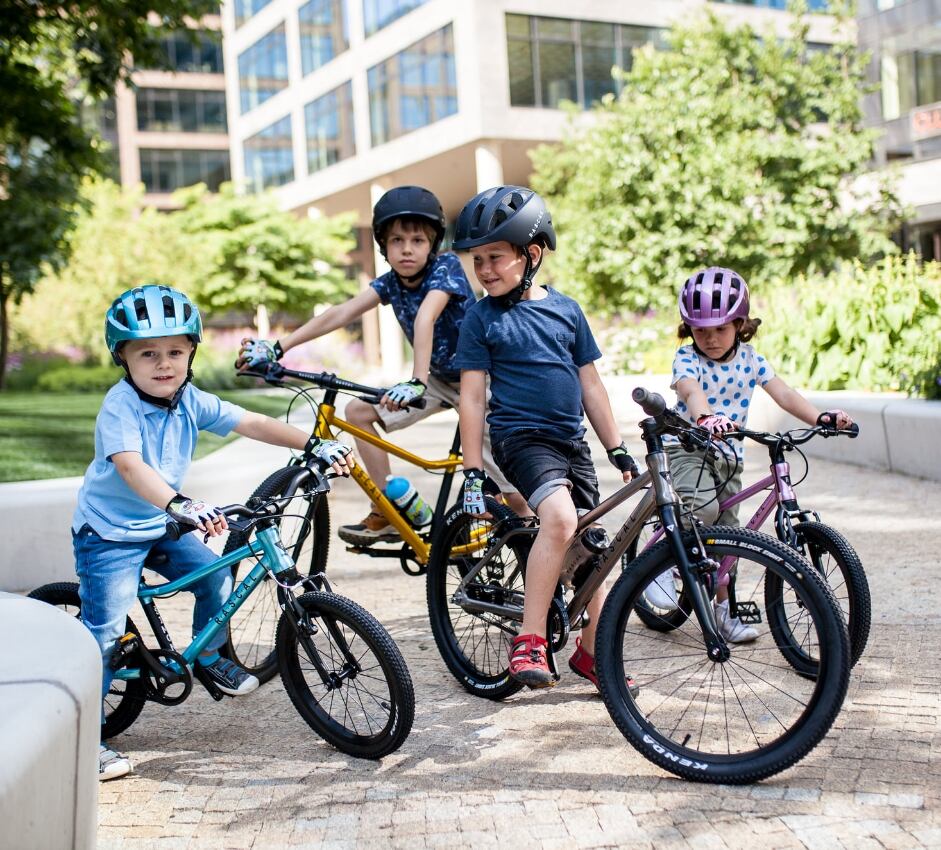
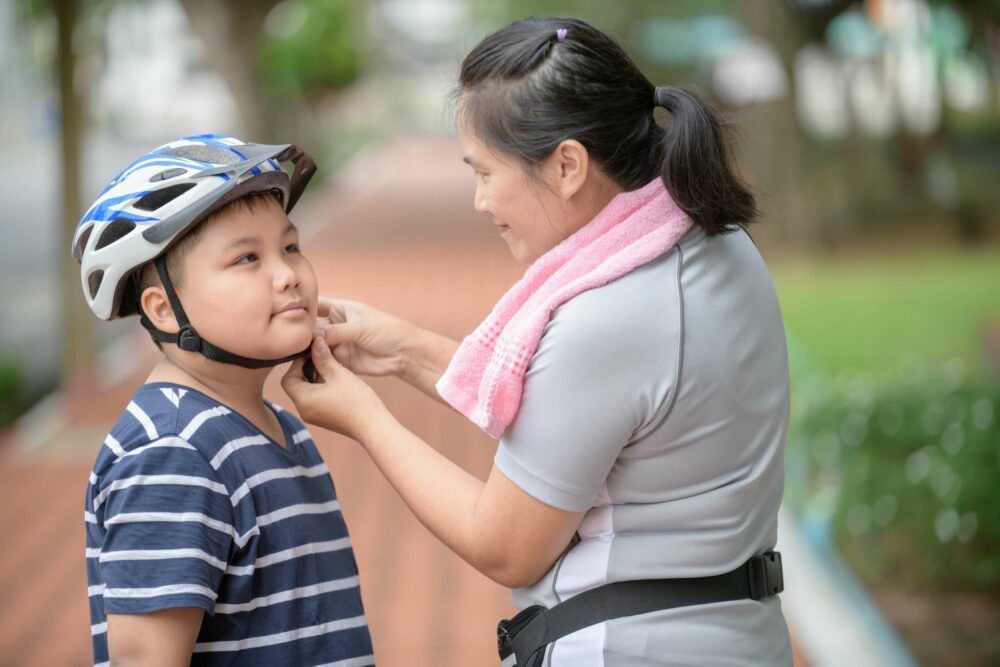
6. Kids bike helmet

Wearing a helmet is a personal choice, and if you do decide your child should wear one make sure the bike helmet fits well.

A badly fitted helmet won’t protect your child.

Also make sure it’s comfortable, as you don’t want anything distracting your child as they learn to ride.

Further reading: Best bike helmets for kids

preparing to teach your child how to ride a bike
kids learning to ride a bike

7. Appropriate clothing

Make sure your child is wearing clothing that is safe and suitable for cycling.

Trailing fabric can get caught in the wheels or chain so avoid long skirts, wide trousers and tassels/belts that could come loose.

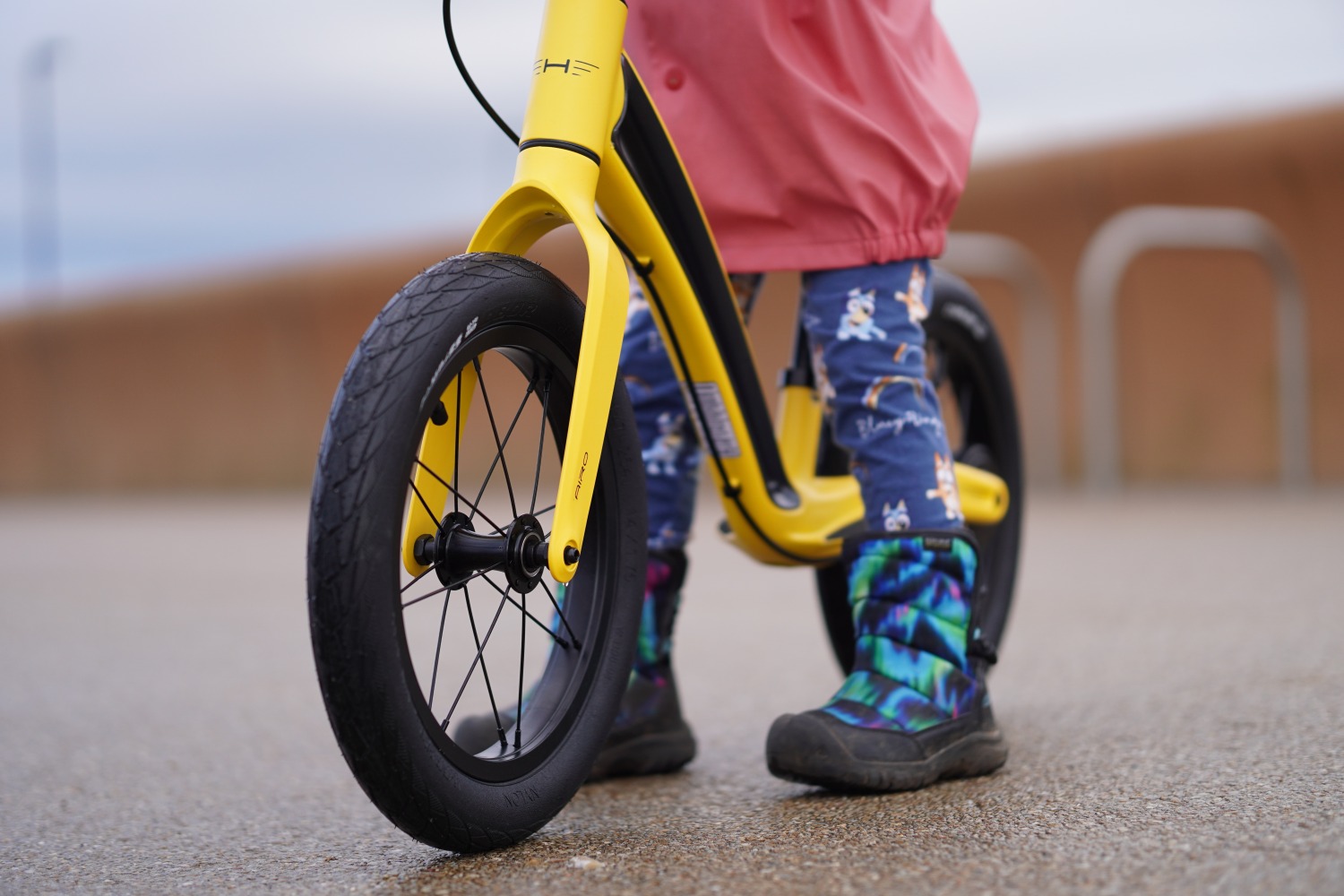
It’s best for them to wear comfortable shoes with grippy soles and covered toes.

Wearing layers is a good idea so they can regulate their temperature.

If it’s chilly then a pair of gloves can really help, especially if your child feels the cold.

You certainly don’t need to dress your child up in protective clothing or body armour. Learning to ride a bike should be a fun activity, not something to be scared of.

But it can help to make sure they’re wearing socks, leggings and a long-sleeved top, so ankles, knees and elbows are covered.

8. Give yourself plenty of time

Every child learns at their own pace. Some pedal off immediately, while others take weeks or months to feel confident.

Avoid rushing your first session—taking your time helps both you and your child stay calm and enjoy the process.

Ready to get started? Don’t forget to take our quiz to check if your child is ready to learn to ride and explore more tips on avoiding common mistakes.

Next steps

If you're ready to move beyond preparation and into teaching, our step-by-step tips and strategies offer everything you need. Explore our complete guide on how to teach your child to ride a bike, which takes you through the full process—from balancing and steering to pedalling and confidence building.

Cycle Sprog's most popular articles

Here at Cycle Sprog we help thousands of families each week find the information they need about kids bikes and cycling together as a family.

We've got hundreds of articles on the website, and we do hope you enjoy browsing them, but if you're in a hurry these are our most popular articles that will get you started.

Winter cycling adventures await!

The temperatures have dropped and the mornings are frosty, but that doesn’t mean family cycling has to go into hibernation. With cosy layers, dependable lights and a bit of forward planning, you can keep riding right through the winter months.

We’ve gathered our best tips and trusted gear recommendations to help you stay warm, dry and visible on every ride — from icy school runs and festive weekend outings to energetic laps at the local park. Winter cycling can be brilliant fun, and we’re here to help you make the most of it!

Comments

Leave a Comment

Your email address will not be published. Required fields are marked *


This site uses Akismet to reduce spam. Learn how your comment data is processed.